
Почти 40 000 в месяц: в техсекторе США — крупнейшая волна увольнений за 2 года
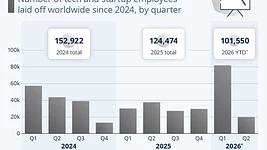
Американские технологические компании в мае объявили о 38 242 сокращениях — это самый высокий месячный показатель для сектора почти за два года.
Американские технологические компании в мае объявили о 38 242 сокращениях — это самый высокий месячный показатель для сектора почти за два года.

Американские технологические компании в мае объявили о 38 242 сокращениях — это самый высокий месячный показатель для сектора почти за два года.
По данным Challenger, Gray & Christmas, с начала 2026 года техсектор объявил уже о 123 653 сокращениях. Это примерно на две трети больше, чем за тот же период прошлого года.
В мае американские работодатели во всех отраслях объявили о 97 006 увольнениях. Технологические компании стали лидерами по числу сокращений, заметно опередив транспортный сектор и сферу услуг.
ИИ остается одним из главных объяснений увольнений. В мае компании связали с ИИ около 40% объявленных сокращений. С начала года ИИ упоминался в 87 714 случаях — уже больше, чем за весь 2025 год.
При этом связь между ИИ и увольнениями остается спорной. Не всегда понятно, действительно ли технологии заменяют сотрудников или компании используют ИИ как удобное объяснение для сокращений, которые были бы проведены и по другим причинам: из-за реструктуризации, снижения затрат или изменения рыночных условий.
Парадокс в том, отмечают эксперты, что сокращения идут на фоне рекордных вложений в ИИ. Крупнейшие технологические компании продолжают тратить сотни миллиардов долларов на дата-центры, серверы, GPU и другую инфраструктуру для ИИ.
Некоторые компании одновременно показывают сильные финансовые результаты, наращивают инвестиции в ИИ и сокращают штат. Такая картина становится все более типичной для технологического сектора: бизнесы говорят о росте продуктивности и переходе к AI-first структурам, но часть сотрудников оказывается лишней в новой модели.
При этом рынок труда в США в целом пока не показывает резкого обвала. Заявки на пособие по безработице не растут так же быстро, как объявления о сокращениях, а официальные данные по занятости должны показать, насколько сильно волна увольнений в технологиях влияет на экономику в целом.









Рэлацыраваліся? Цяпер вы можаце каментаваць без верыфікацыі акаўнта.
как страшно жить
Who Actually Walked Out the Door? (The Role Breakdown)
When we look inside those massive sector numbers—specifically the nearly 44,000 cuts across Tech and FinTech—here is a realistic, data-backed approximation of who made up that 97,006.
-- The "Support & Scale" Roles (Approx. 30-35% of the total)
When a tech or fintech company sheds 10% of its workforce, these are the first to go. The companies are no longer in hyper-growth mode, so they don't need the infrastructure that supports aggressive expansion.
Who they are: Recruiters, Talent Acquisition, Human Resources, and internal DEI staff.
Why they were cut: If a company isn't hiring 500 people a month anymore, a recruiting team of 50 is dead weight.
-- The Middle Management Layer (Approx. 20-25% of the total)
This was heavily targeted in May, particularly in Tech, Transportation, and Services.
Who they are: Directors of Operations, "Scrum Masters," Agile Coaches, lower-level VP titles, and non-technical Engineering Managers.
Why they were cut: Companies are "flattening." An engineering manager who just coordinates meetings between two other teams is being eliminated, and the actual engineers are reporting directly to a senior leader.
-- Junior Technical & QA Staff (Approx. 15-20% of the total)
The tech sector cuts (38,242) were brutal for early-career workers.
Who they are: Junior Software Engineers (L3/L4), Manual Quality Assurance (QA) testers, and entry-level Data Analysts (the people building basic dashboards).
Why they were cut: Companies are retaining expensive Senior/Principal Engineers who can use new productivity tools to do the work of three junior developers. Manual QA is largely being replaced by automated testing pipelines.
-- Sales Development & Customer Success (Approx. 15% of the total)
Highly concentrated in Tech, FinTech, and Services.
tradingeconomics.com
Who they are: Sales Development Reps (SDRs) who make cold calls, and Customer Success Managers (CSMs) who onboard clients.
Why they were cut: B2B spending is tight. Bloated sales floors full of junior reps aren't generating enough return on investment. Companies are forcing Account Executives to find their own leads and manage their own client renewals.
-- Corporate Restructuring & Bankruptcies (Approx. 10-15% of the total)
The Challenger report noted a sharp rise in cuts tied to closures (14,546), restructuring (9,942), and bankruptcies (5,637).
www.challengergray.com
Who they are: Everyone. When a pharmaceutical startup runs out of funding or a transportation logistics firm closes a regional hub, the cuts aren't targeted—they hit the warehouse workers, the scientists, the truck drivers, and the executives equally.
If you are trying to measure your own risk, ignore the top-line 97,006 number. The only question that matters right now is: Are you a revenue generator, a core product builder, or a strict compliance enforcer? If you are primarily a coordinator, an administrator, or a middle-man between teams, that is where the danger lies.